

New survey: Accessible Streetscapes for the Disability Community
A new survey created in collaboration with Smart Growth America, the International Parking and Mobility Institute, and Disability Rights Education & Defense...

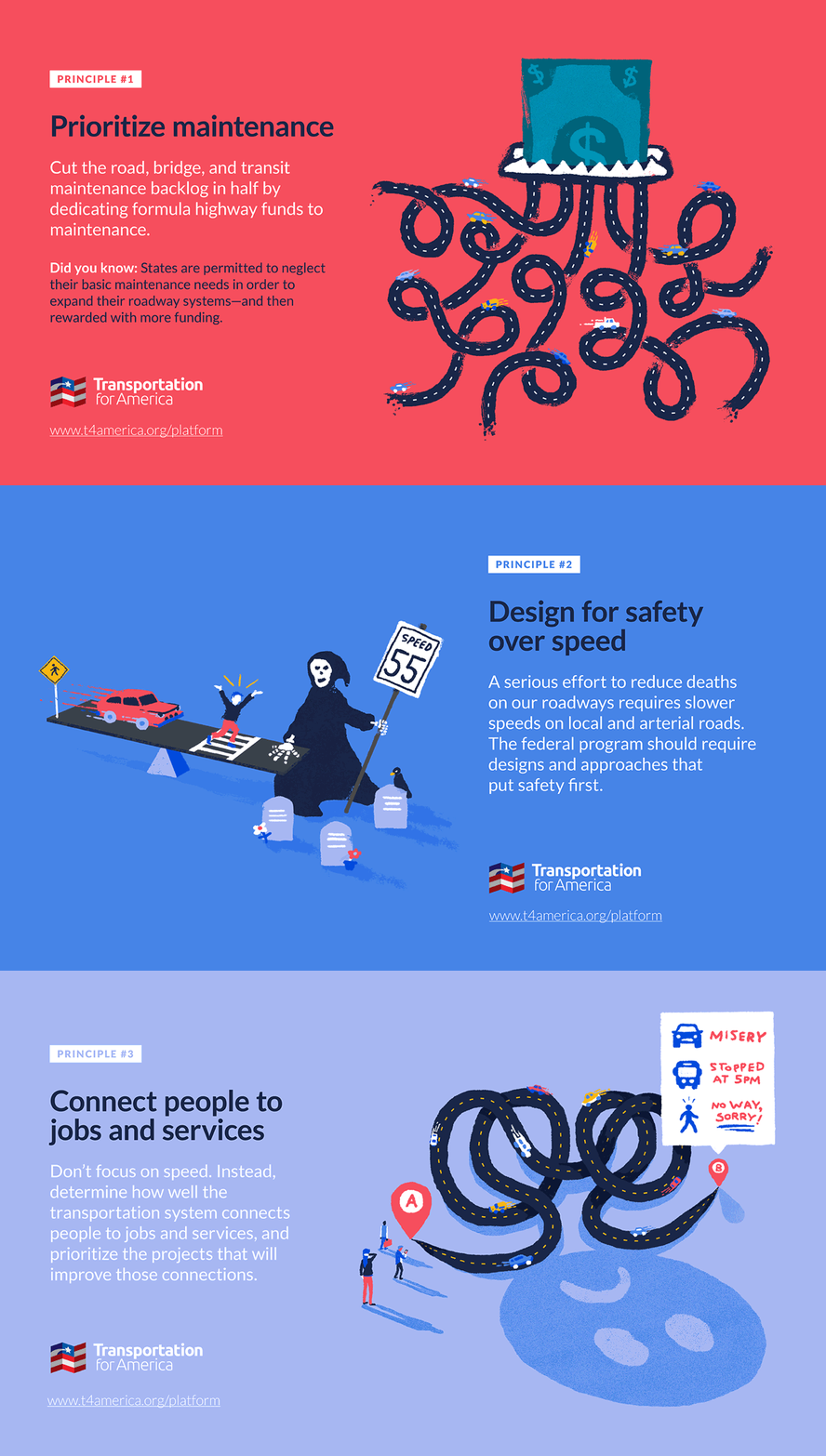
Our three simple guiding principles are concrete, measurable, and have outcomes attached.
We need a new plan beyond "spend more money."

The bipartisan $1.2 trillion infrastructure law now governs all federal transportation policy and funding through 2026. What do you need to know about it? Visit our hub for the new law.

We make complex transportation issues more understandable through easy-to-understand reports, graphics, and interactive features, and other resources.
Catch up with our most recent blog posts

A new survey created in collaboration with Smart Growth America, the International Parking and Mobility Institute, and Disability Rights Education & Defense...
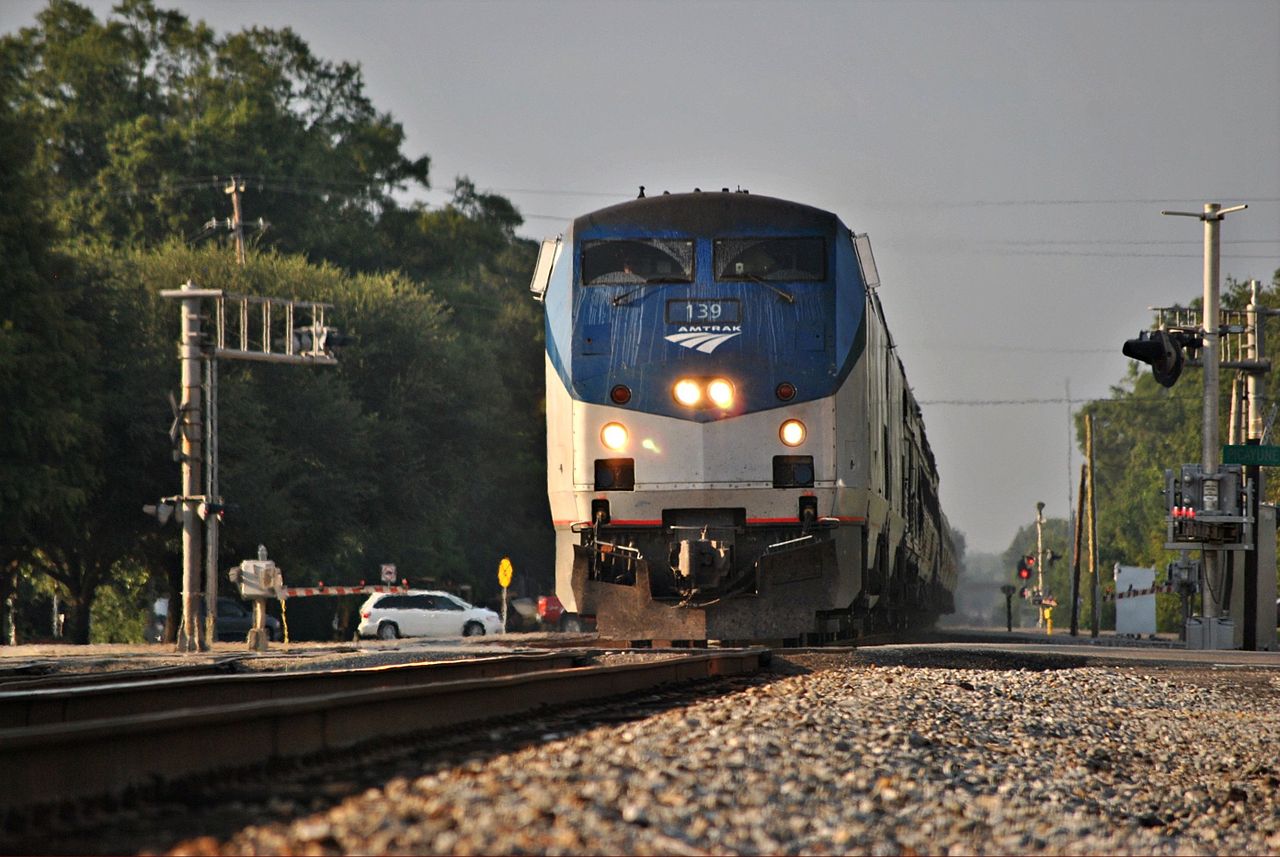
Two recent developments at the federal level can help propel passenger rail expansion in the South and across the country.
On Tuesday, May 14 from 2 - 3 p.m., we're partnering with the International Parking & Mobility Institute to offer a free webinar exploring smart growth...

Despite substantial federal funding available to address "crumbling roads and bridges," our infrastructure's state of repair is an ongoing issue, and climate...
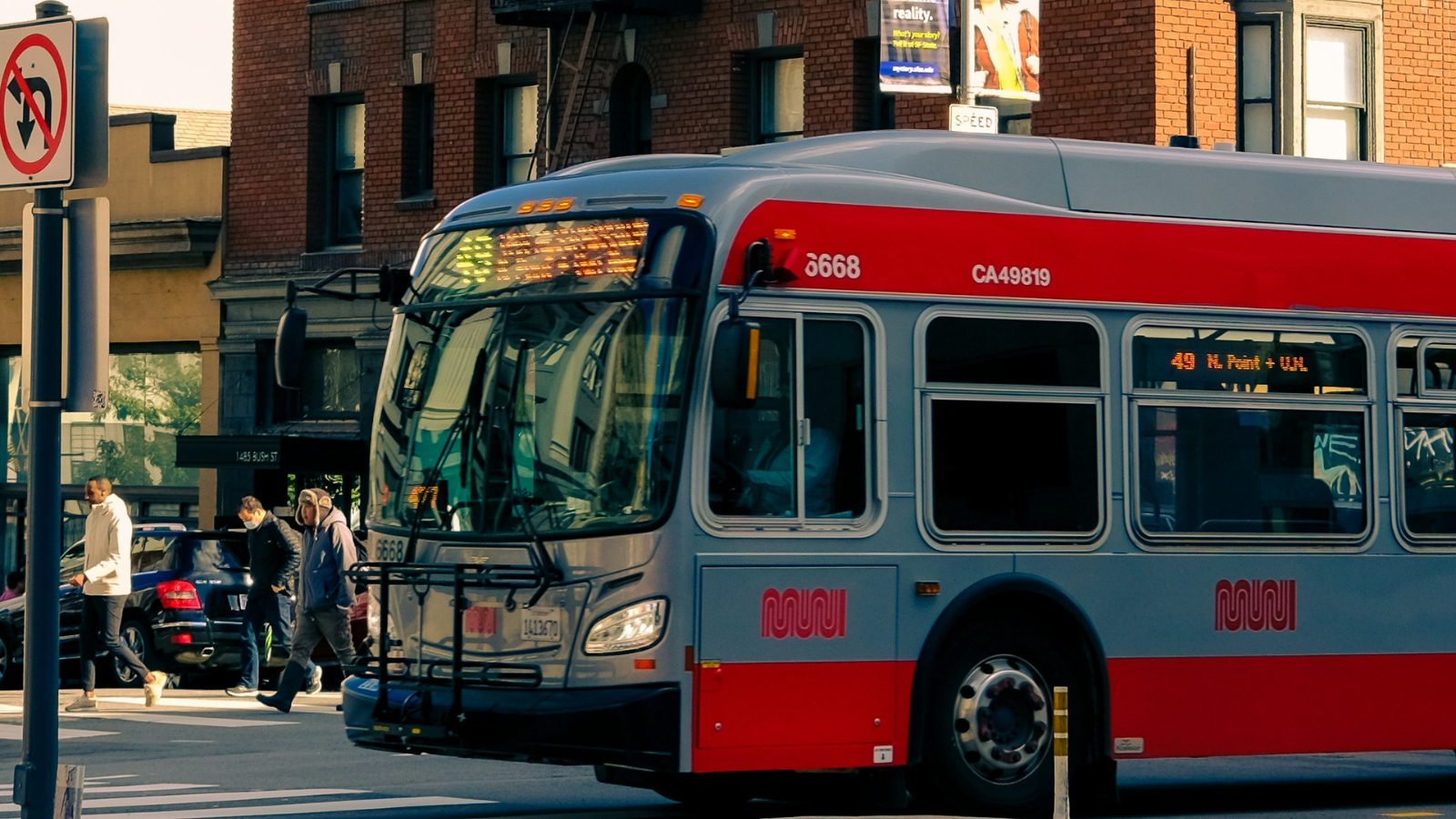
The Federal Transit Administration is working hard to ensure that the next rounds of the Low or No Emissions Grant Program and Buses and Bus Facilities...
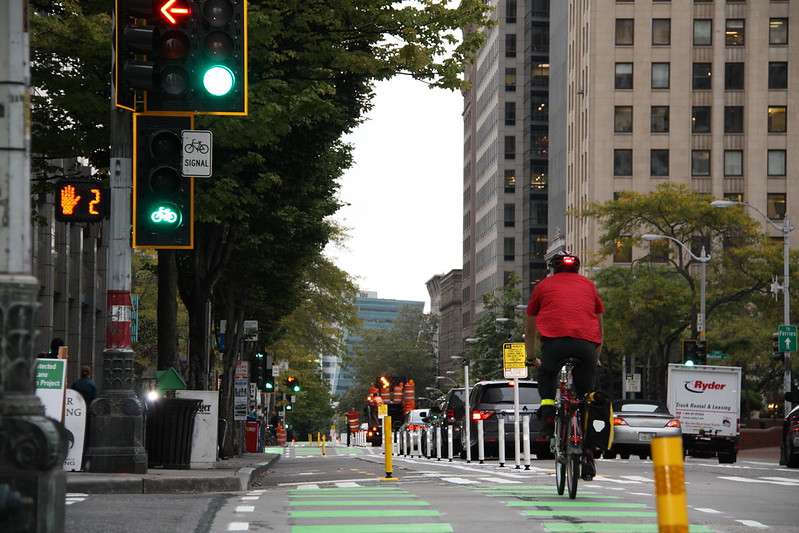
The rising rate of pedestrian fatalities is a consequence of deadly design decisions that prioritize driver speed and convenience over the safety of all...
Get started with our landmark reports on a range of transportation issues
This page includes all of our resources on how to reduce emissions in an equitable way—and that path includes the EV transition.

Much of the discussion about alternatives to the gas tax in recent years has focused on the idea of “fairness”—ensuring that…
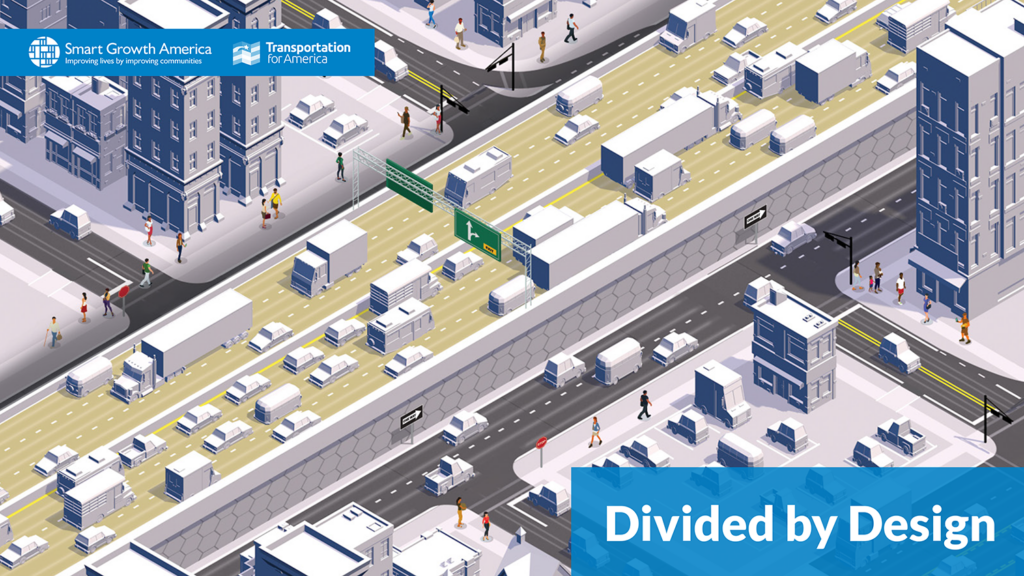
Examining how today’s transportation measures, models, and practices were shaped by the racist history of the 1950s and 60s, and…

Transportation for America’s Community Connectors portal provides tools and information for advocates to decode the complex and confusing…
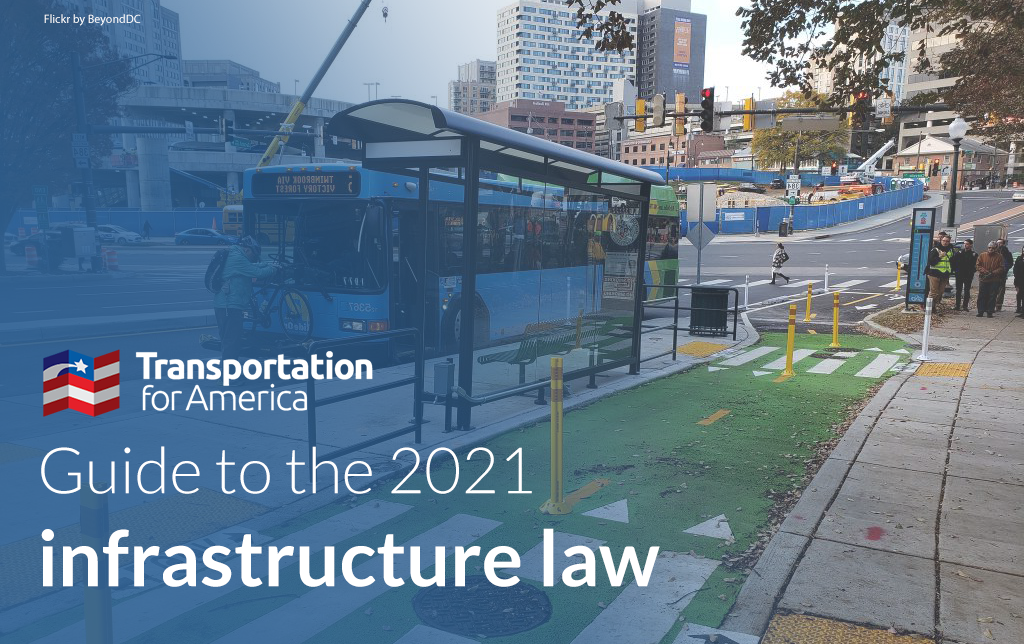
The bipartisan $1.2 trillion infrastructure law now governs all federal transportation policy and funding through 2026. What do you…
We'll never reduce our emissions without reducing how much we drive.
Are you interested in transportation policy? Do you have experience working in the federal legislative process? We'… https://t.co/N293qE6lmz
2 years ago
RT @StreetsblogUSA: A lot of projects — including harmful highway projects — can be dubiously justified as climate and equity investments @…
2 years ago


Headed to DC for TRB? Join us at TransportationCamp on January 7, 2023. Learn more and register here.
Sign up today!